Building Outdoor Spaces That Hold Up Year After Year
Decks and Porches in Grand Rapids for backyards that lack functional outdoor areas or have structures that are splintering and unstable
Done Right Building constructs custom decks and porches throughout Grand Rapids, Lowell, Ada Township, and surrounding areas, helping homeowners add usable outdoor space or replace structures that have deteriorated beyond repair. You may have a back door that opens onto a small concrete slab or a set of wobbly stairs, when what you really want is a place to sit outside with a table and chairs, grill in the summer, or step out for morning coffee without worrying whether the boards will hold. These projects create outdoor living areas that extend your home's usable footprint and withstand Michigan's freeze-thaw cycles, snow loads, and seasonal moisture.
Deck construction typically involves setting footings below the frost line, building a frame from pressure-treated lumber, and installing decking boards made from composite, cedar, or treated wood. Porches may include roof structures, railings, and stairs, and are often designed to complement the home's existing architecture. In Grand Rapids, where winter temperatures drop well below freezing and summer humidity can warp untreated wood, material selection and proper fastening become critical to long-term performance. The structure must also meet local codes for railing height, footing depth, and ledger board attachment.
If your current deck is sagging, your porch boards are rotting, or you do not have an outdoor space at all, you can schedule a consultation to discuss design options and materials that suit your property.
What Goes Into Building a Deck or Porch
Your project begins with measuring the area, checking local setback requirements, and determining how the structure will attach to your home. You will choose decking material, railing style, and whether you want built-in features such as benches or planters. Done Right Building sets footings at the required depth, builds a level frame, and installs joists that support the load without sagging. Ledger boards are flashed and fastened to prevent water intrusion where the deck meets the house.
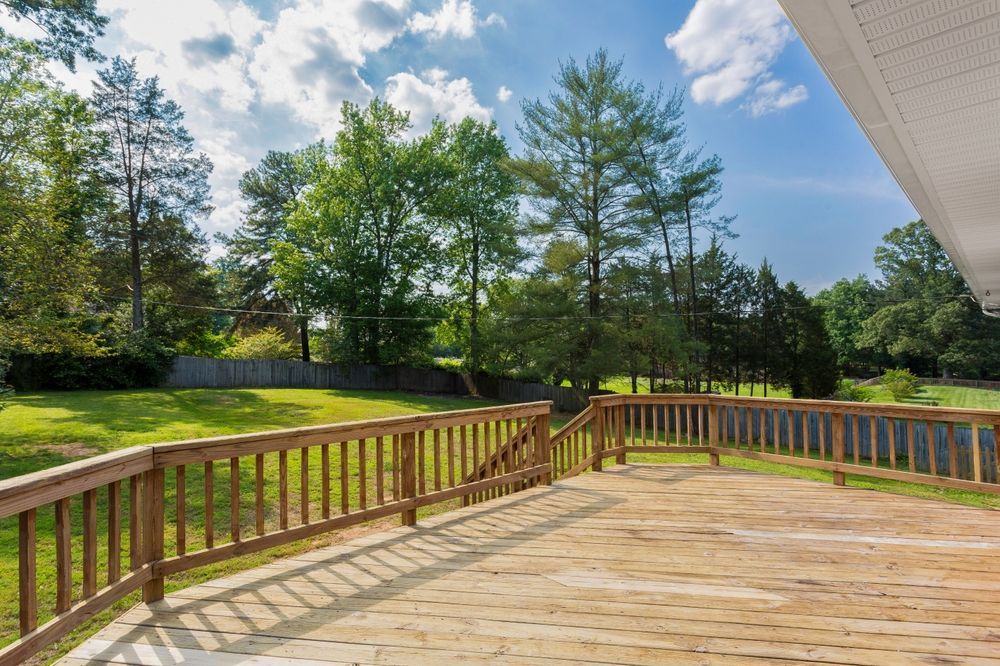
After the deck or porch is complete, you will step onto a surface that feels solid underfoot, with no flex or bounce when you walk across it. Railings will be secure and meet code height requirements, stairs will be evenly spaced, and the structure will sit level even if your yard slopes. Fasteners will be corrosion-resistant, and the decking will be spaced to allow water drainage without creating gaps wide enough to catch chair legs. If you built a covered porch, the roof will shed rain and snow away from the house, and the ceiling will be finished to prevent exposed rafters from collecting debris.
The process includes digging and pouring footings, framing the deck or porch structure, installing joists and blocking, laying decking boards, and building railings and stairs. Roof structures for porches involve framing, sheathing, shingling, and attaching the roof to the house with proper flashing. Composite decking requires hidden fasteners and specific spacing, while wood decking uses screws or nails and may need staining or sealing after installation. Timelines depend on size and complexity, but most decks are completed within a few weeks.
Questions About Deck and Porch Construction
Homeowners in Grand Rapids and surrounding areas often want to know which materials last longest, how deep footings need to go, and what maintenance the finished structure will require over time.
What decking material works best in Michigan?
Composite decking resists rot and insect damage and does not require staining, though it costs more upfront. Pressure-treated wood is more affordable but needs periodic sealing. Cedar offers natural resistance to decay and a cleaner appearance but also requires maintenance.
How deep do footings need to be?
Footings must extend below the frost line, which in Grand Rapids is typically 42 inches. This prevents the deck from shifting as the ground freezes and thaws during winter and spring.
When should I replace an old deck instead of repairing it?
If the frame is rotting, posts are loose in the ground, or the ledger board is pulling away from the house, replacement is usually safer and more cost-effective than patching individual boards. Surface-level wear can often be repaired.
What keeps water from getting into the house where the deck attaches?
A ledger board is bolted to the house and covered with metal flashing that directs water away from the connection point. This prevents moisture from soaking into the siding and framing behind it.
Why does the deck need railings if it is close to the ground?
Building codes in Michigan require railings on any deck more than 30 inches above grade. Even lower decks benefit from railings for safety, especially if children or elderly household members use the space.
Done Right Building builds decks and porches across Grand Rapids, working with homeowners who want durable outdoor spaces that hold up through seasons of heavy use and weather exposure. You can reach out to discuss design options, material choices, and what the finished structure will add to your property.