Completing Your Basement From Studs to Usable Space
Basement Finishing in Grand Rapids for unfinished lower levels that remain empty because the concrete and exposed framing make them unusable
Done Right Building provides basement finishing services throughout Grand Rapids, Walker, Lowell, and surrounding areas taking unfinished basements from bare concrete and open studs to fully livable rooms. You have square footage sitting below your main floor that could serve as a guest bedroom, a playroom, or a media area, but right now it holds little more than your water heater, a few storage shelves, and the smell of damp concrete. Finishing the basement means installing walls, ceilings, flooring, and the systems that make the space comfortable enough to use daily.
The work includes framing interior walls to create defined rooms, running electrical wiring for outlets and lighting, adding insulation to keep the space warm during Michigan winters, hanging and finishing drywall, and installing flooring that stays stable on a concrete slab. Ceiling options often involve drywall or drop tiles, depending on whether you need easy access to plumbing and wiring above. In Grand Rapids and neighboring communities, where basements can feel cool and damp, moisture control and proper ventilation become part of the finishing process to prevent mold and ensure the space remains comfortable year-round.
If your basement remains unfinished and you want to add usable square footage without building an addition, you can schedule a consultation to review layout options and discuss what the finished space could include.
What Basement Finishing Involves
Your project begins with evaluating the foundation for moisture issues, checking ceiling height, and identifying where utilities currently run. You will decide on room layout, whether you want a bathroom or wet bar, and how much of the basement will be finished versus left as storage or utility space. Done Right Building installs framing, runs electrical and HVAC ducts as needed, insulates exterior walls, and applies moisture-resistant drywall in areas prone to humidity.
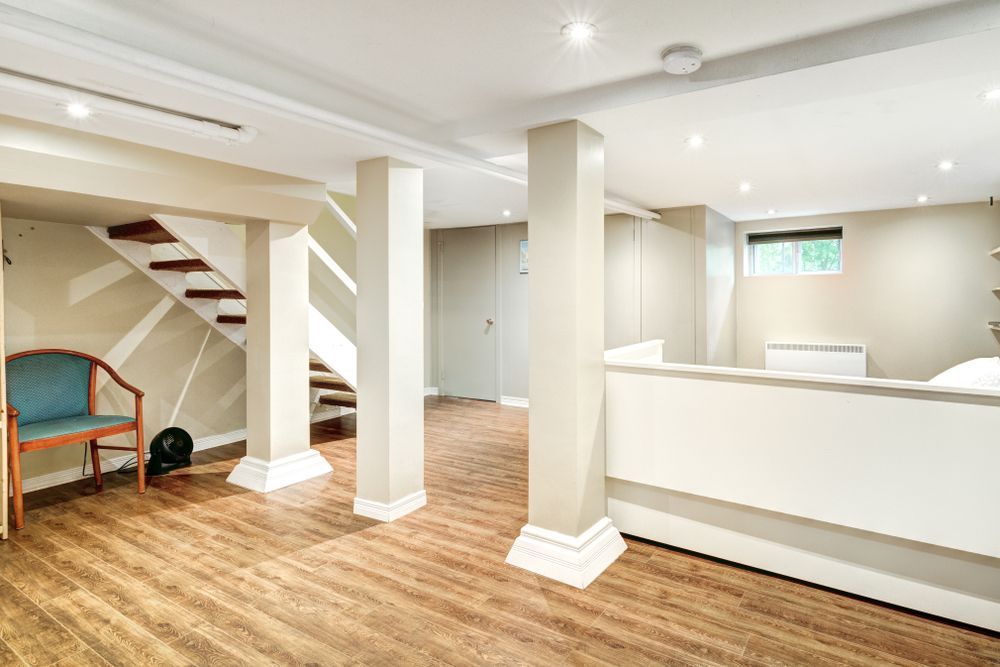
After the basement is finished, you will see smooth walls painted in the color you selected, level flooring that feels solid underfoot, and ceiling tiles or drywall that conceal the tangle of pipes and wires that used to hang overhead. Light switches will be positioned where you enter each room, outlets will be placed for lamps and electronics, and the temperature will stay consistent with the rest of your home. The space will no longer echo when you walk through it, and you will be able to arrange furniture and use the rooms the same way you would on the main floor.
The process includes laying out walls, installing electrical boxes and wiring, mounting drywall, taping and mudding seams, priming and painting, and laying flooring. If you add a bathroom, plumbing will be routed and a sewage ejector pump may be installed if the basement sits below the main sewer line. Timelines depend on square footage and complexity, but most basement finishing projects take several weeks from start to final inspection.
Questions Homeowners Ask About Finishing a Basement
Homeowners in Grand Rapids and neighboring communities often want to understand what happens to the concrete floor, how ceilings are handled, and what changes after the work is complete.
What goes on top of the concrete slab?
A subfloor system or underlayment is installed first to provide a flat, insulated base. Then flooring such as luxury vinyl, laminate, or carpet is laid on top. This keeps the floor warmer and more comfortable than bare concrete.
How do you finish the ceiling without losing too much height?
If headroom is tight, drywall installed directly on the joists preserves ceiling height. Drop tile ceilings take up a few more inches but allow easier access to plumbing and electrical above.
When should I add a bathroom during basement finishing?
If your household needs another bathroom or you plan to use the basement as a guest suite or rental space, adding plumbing during the finishing stage is more cost-effective than retrofitting later. The work requires running supply lines and waste drains, and possibly installing a pump.
What keeps the finished basement from feeling damp?
Vapor barriers on foundation walls, sealed concrete floors, and proper dehumidification all help. Finished basements should also have adequate ventilation, either through HVAC ducts or separate exhaust systems.
Why does insulation matter in a finished basement in Grand Rapids?
Insulating exterior foundation walls keeps the space warmer during winter and reduces condensation that can lead to mold. It also lowers heating costs by preventing heat loss through the concrete.
Done Right Building completes basement finishing projects across Grand Rapids, helping homeowners turn unused lower levels into functional living areas. You can reach out to discuss layout ideas, material options, and what the finished basement will look like once framing, drywall, and flooring are in place.