Turning Unused Basement Space Into Functional Rooms
Basement Remodeling in Grand Rapids for layouts that feel dark, cramped, or disconnected from the rest of the home
Done Right Building handles basement remodeling projects throughout Grand Rapids, Grandville, Ada Township, and surrounding areas, helping homeowners convert underused lower levels into spaces that serve a clear purpose. You may have a basement that currently holds storage boxes, a washer and dryer, and not much else, even though you need a home office, a place for the kids to play, or a quiet area to watch television without disturbing the rest of the household. These projects address poor lighting, awkward layouts, and finishes that make the space feel unfinished or uninviting.
Basement remodeling typically includes reconfiguring walls to create defined rooms, adding insulation to exterior foundation walls, installing flooring that stays comfortable underfoot, and upgrading lighting so the space does not rely solely on a few overhead bulbs. In Grand Rapids, basements often contend with cool temperatures and occasional humidity, so insulation and moisture control become part of the planning. The work might also involve relocating utilities, adding egress windows for code compliance, or creating a wet bar area if plumbing access allows.
If your basement sits empty or feels too cold and dim to use regularly, you can schedule a consultation to review layout options and discuss what the space could become.
How Basement Remodeling Changes the Space
Your project starts with an assessment of the existing foundation, ceiling height, and any obstacles such as support posts or ductwork that affect layout. You will decide whether you want separate rooms or an open floor plan, and where lighting, outlets, and heating will need to be added. Done Right Building works with insulated wall systems, moisture-resistant drywall, and flooring materials that handle minor temperature fluctuations without warping.
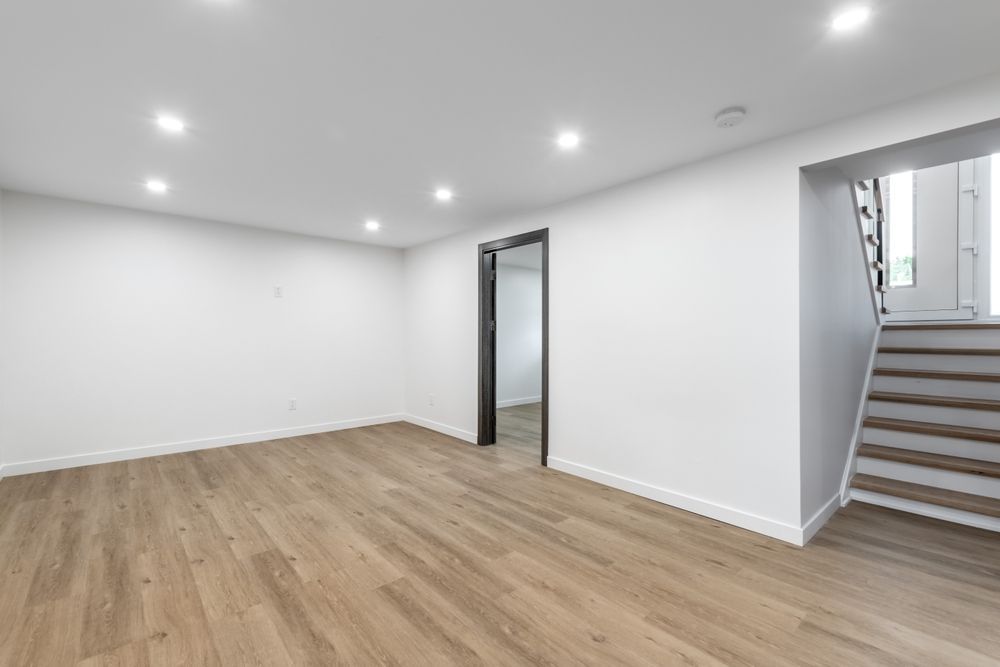
Once the remodel is finished, you will walk into a basement that feels like an extension of your main floor rather than a separate, neglected space. Walls will be smooth and painted, floors will be level and warm, and light fixtures will provide even illumination across the room. If you added a bedroom or bathroom, those areas will meet code requirements for egress and ventilation. The space will hold furniture comfortably, and you will no longer hear the echo that comes with bare concrete and exposed joists.
The process includes framing new walls, running electrical and HVAC as needed, installing insulation and drywall, laying flooring, and completing trim work. Some projects involve adding a bathroom, which requires routing plumbing and potentially installing a sewage ejector pump if the basement sits below the main sewer line. Timelines vary depending on square footage and complexity, but most remodels take several weeks from demolition to final touches.
Common Questions About Remodeling a Basement
Homeowners in Grand Rapids and neighboring communities often want to know how the space will feel once finished, what systems need upgrading, and how the project handles moisture and temperature concerns common in Michigan basements.
What should I do if the basement feels damp?
A dehumidifier helps, but the remodel should also include vapor barriers on foundation walls and properly sealed floor systems. If water seeps in during heavy rain, that issue needs to be addressed before finishing work begins.
How do you handle low ceilings in older basements?
If ceiling height is limited, recessed lighting and strategic paint choices can make the space feel larger. Ductwork and pipes are sometimes rerouted or boxed in to maximize headroom where people will walk and sit.
When is an egress window required?
Building codes in Michigan require egress windows in basement bedrooms to provide a secondary exit in case of emergency. The window must meet minimum size requirements and be accessible without tools.
What type of flooring works well in a finished basement?
Luxury vinyl plank, engineered wood, and ceramic tile all perform well on basement floors. Carpet can work if the space stays dry, but it is more vulnerable to moisture damage than hard surfaces.
Why does insulation matter in a basement remodel?
Insulating foundation walls keeps the space warmer in winter and reduces condensation that can lead to mold growth. It also makes the room more comfortable year-round without driving up heating costs.
Done Right Building works with homeowners across Grand Rapids who want to make their basements livable and functional. If you are ready to turn that lower level into a space your household actually uses, you can reach out to discuss layout ideas, material choices, and what the finished project will look like.